Brain Health: 6 Everyday Habits to Keep Your Brain Healthy for Life
Brain Health: 6 Daily Habits for a Healthier Mind

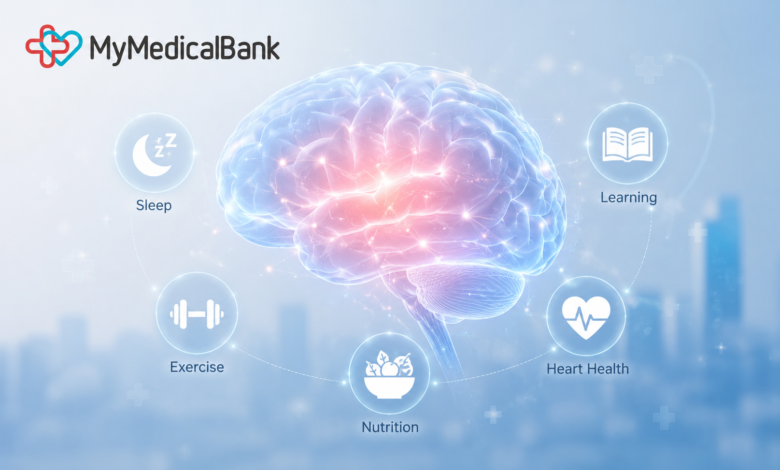
When people think about staying healthy, they usually focus on their heart, weight, skin, or fitness. Yet the one organ that makes all of those things possible often gets overlooked your brain.
Your brain is your body’s command centre. It controls every thought you have, every decision you make, every memory you keep, and every movement you perform. It’s responsible for your emotions, creativity, concentration, personality, and even the automatic processes that keep you alive, like breathing and your heartbeat.
From before you’re born until the last day of your life, your brain never stops working.
The good news? Many of the choices you make every day can either protect or damage your brain over time.
While we can’t change our genetics, we can adopt healthy habits that reduce the risk of stroke, dementia, memory loss, and cognitive decline later in life. Brain health isn’t something to think about only in old age it’s something to invest in every single day.
Understanding Your Brain
Although your brain weighs only about 1.4 kilograms, it contains billions of nerve cells that communicate with one another every second. These cells allow you to learn, solve problems, communicate, remember experiences, and interact with the world around you.
Your brain has three major parts, each with a unique role.
1. Cerebrum – Your Thinking Centre
The cerebrum is the largest part of the brain and is responsible for everything that makes you uniquely you.
It helps you:
- Think and reason
- Learn new skills
- Make decisions
- Remember information
- Control voluntary movement
- Experience emotions
- Understand language
- Process information from your senses
The cerebrum has two halves called hemispheres.
The left hemisphere controls the right side of your body and is mainly responsible for language, reading, writing, mathematics, and logical thinking.
The right hemisphere controls the left side of your body and is associated with creativity, imagination, spatial awareness, music, and recognizing patterns.
Although each side specializes in different tasks, they constantly communicate to help you function as one complete system.
The Four Lobes of the Cerebrum
Each hemisphere contains four lobes with different responsibilities.
Frontal Lobe
- Planning and decision-making
- Problem-solving
- Personality
- Emotional regulation
- Voluntary movement
Parietal Lobe
- Touch, pain, pressure, and temperature
- Understanding body position
- Processing sensory information
Temporal Lobe
- Hearing
- Language comprehension
- Memory
- Recognizing faces and voices
Occipital Lobe
- Vision
- Interpreting colours, shapes, and movement
2. Cerebellum – Your Balance and Coordination Centre
Located underneath the cerebrum, the cerebellum helps coordinate movement.
Without it, everyday activities would become difficult.
It helps you:
- Walk smoothly
- Maintain balance
- Ride a bicycle
- Write neatly
- Play sports
- Coordinate precise movements
3. Brain Stem – Your Life Support System
The brain stem connects your brain to your spinal cord and controls the essential functions you don’t have to think about.
It regulates:
- Breathing
- Heartbeat
- Blood pressure
- Digestion
- Sleeping and waking
Even while you’re asleep, your brain stem continues working to keep you alive
Six Everyday Habits That Keep Your Brain Healthy
The health of your brain depends largely on the choices you make each day. Here are six simple habits that can make a significant difference.
1. Prioritize Quality Sleep
Pulling all-nighters may seem productive, but your brain disagrees.
While you sleep, your brain:
- Organizes new memories
- Strengthens learning
- Clears away waste products
- Restores mental energy
- Improves concentration
Consistently getting 7–9 hours of quality sleep improves memory, decision-making, creativity, and emotional well-being.
2. Keep Moving
Exercise benefits far more than your muscles—it benefits your brain too.
Physical activity increases blood flow to the brain, delivering oxygen and nutrients that help brain cells thrive.
Regular exercise can:
- Improve memory
- Increase focus
- Reduce stress
- Enhance mood
- Support the growth of new brain cells
You don’t need an intense workout. Brisk walking, cycling, swimming, dancing, or even regular stretching can make a meaningful difference.
3. Feed Your Brain Well
Your brain consumes a significant amount of the energy your body produces.
A healthy diet supports clearer thinking, better concentration, and improved memory.
Choose foods rich in:
- Fruits and vegetables
- Whole grains
- Fish rich in omega-3 fatty acids
- Eggs
- Nuts
- Beans
- Healthy fats
Staying hydrated is equally important, as even mild dehydration can affect concentration and mental performance.
4. Keep Learning
Your brain thrives on challenges.
The more you learn, the stronger the connections between your brain cells become.
Keep your mind active by:
- Reading books
- Learning new skills
- Solving puzzles
- Playing strategy games
- Taking online courses
- Learning another language
Learning shouldn’t end after graduation. Lifelong learning helps maintain cognitive health throughout adulthood.
5. Manage Blood Pressure and Blood Sugar
Many people don’t realize that conditions like high blood pressure and diabetes can quietly damage the brain.
Over time, these conditions reduce blood flow to brain tissue, increasing the risk of:
- Stroke
- Memory problems
- Cognitive decline
- Dementia
Protect your brain by:
- Exercising regularly
- Eating a balanced diet
- Limiting salt intake
- Managing stress
- Attending regular health check-ups
6. Avoid Smoking and Limit Alcohol
Your brain performs best when it’s protected from harmful substances.
Smoking reduces oxygen delivery to the brain, while excessive alcohol damages brain cells and affects memory, judgment, and concentration.
Reducing alcohol intake, quitting smoking, staying hydrated, exercising regularly, and maintaining a healthy diet all contribute to better brain function.
Every healthy decision you make today is an investment in your future.
When to see a Doctor ;Warning Signs You Should Never Ignore
Your brain rarely develops serious problems without giving warning signs.
Seek medical attention promptly if you experience:
- Persistent or unusually severe headaches
- Frequent dizziness
- Sudden numbness or weakness, especially on one side of the body
- Difficulty speaking or understanding speech
- Blurred or double vision
- Loss of balance or coordination
- Tremors or unexplained shaking
- Sudden personality or behavioural changes
- Memory loss that interferes with daily life
Early diagnosis can significantly improve treatment outcomes and, in some cases, save lives.
Conclusion
Your brain is your most valuable asset. It shapes your thoughts, relationships, career, creativity, and quality of life.
The choices you make today how well you sleep, what you eat, how active you are, how you manage stress, and whether you avoid harmful habits can influence how well your brain serves you for decades to come.
Don’t wait until problems arise to start caring for your brain.
Speak to a doctor or request for Doctor Home Visit with us at MyMedicalBank, because a healthy brain is the foundation of a healthier, happier, and more productive life.